Ch. 6 Bones and Bone Tissue
Amerman- Human Anatomy & Physiology 3e
Amerman3rd EditionHuman Anatomy & PhysiologyISBN: 9780138247201, 9780138247928, 9780138201814Not the one you use?Change textbook
Chapter 6, Problem 16

Which of the following influences bone remodeling?
a. Vitamins such as vitamins D, C, and K
b. Intake of calcium ions
c. Hormones such as estrogen and testosterone
d. All of the above

Verified step by step guidance
1
Understand the concept of bone remodeling: Bone remodeling is a continuous process where old bone tissue is replaced by new bone tissue. This process is influenced by various factors including nutrients, hormones, and mechanical stress.
Analyze the role of vitamins: Vitamins such as D, C, and K play critical roles in bone health. Vitamin D helps in calcium absorption, Vitamin C is essential for collagen synthesis, and Vitamin K supports bone mineralization.
Examine the importance of calcium ions: Calcium is a vital mineral for bone strength and density. Adequate intake of calcium ions is necessary for maintaining bone structure and function.
Evaluate the impact of hormones: Hormones like estrogen and testosterone regulate bone remodeling by influencing osteoblast and osteoclast activity. Estrogen, for example, helps prevent excessive bone resorption, while testosterone supports bone formation.
Conclude that multiple factors influence bone remodeling: Since vitamins, calcium intake, and hormones all play significant roles in this process, the correct answer is 'All of the above,' as all these factors collectively contribute to bone health and remodeling.

Verified video answer for a similar problem:

This video solution was recommended by our tutors as helpful for the problem above.
Was this helpful?

Key Concepts

Here are the essential concepts you must grasp in order to answer the question correctly.

Bone Remodeling

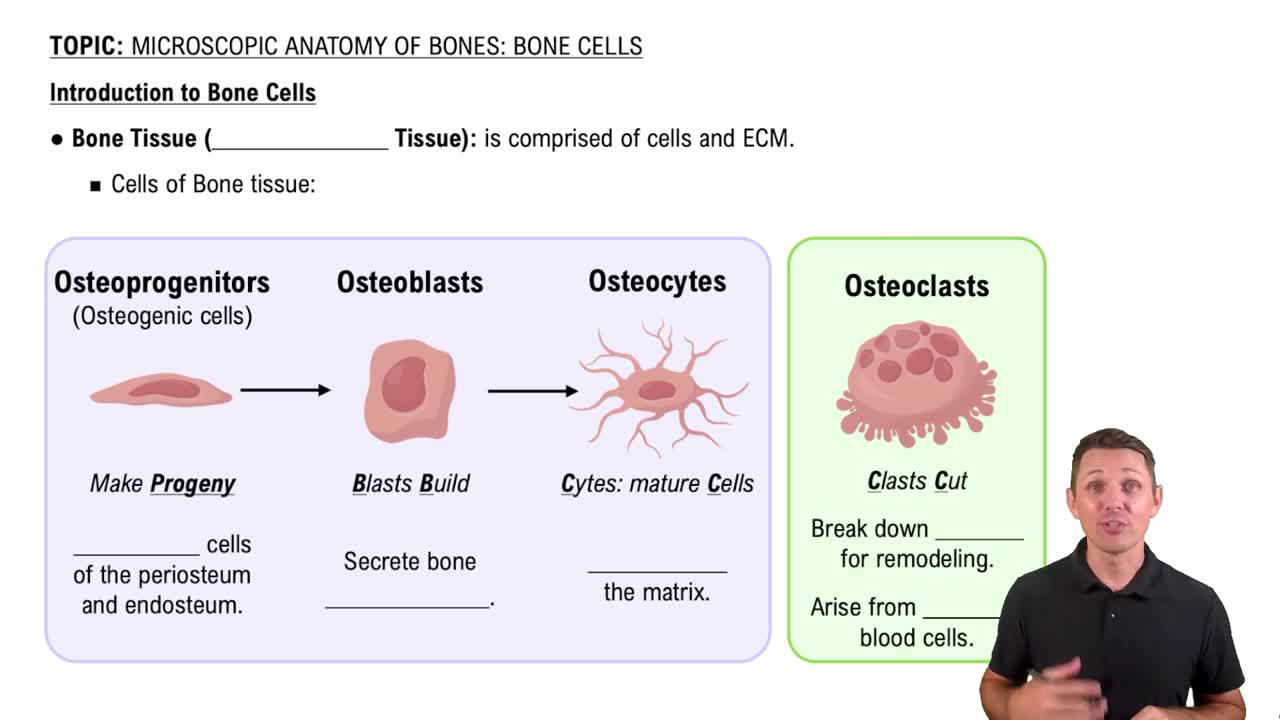
Bone remodeling is a continuous process where old bone tissue is replaced by new bone tissue. This process is essential for maintaining bone strength and mineral homeostasis. It involves two main types of cells: osteoclasts, which break down bone, and osteoblasts, which build new bone. Factors such as nutrition, hormones, and physical activity significantly influence this process.
Recommended video:
Guided course
4:19
Introduction to Bone Cells

Nutritional Factors

Nutritional factors, particularly vitamins and minerals, play a crucial role in bone health. Vitamins D, C, and K are essential for bone formation and remodeling. Vitamin D aids in calcium absorption, vitamin C is important for collagen synthesis, and vitamin K is involved in bone mineralization. Adequate intake of these nutrients supports optimal bone density and strength.
Recommended video:
03:48
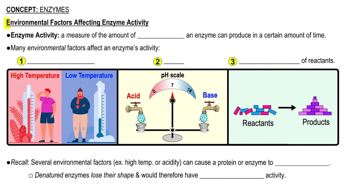
Environmental Factors Affecting Enzyme Activity

Hormonal Regulation

Hormones such as estrogen and testosterone significantly influence bone remodeling. Estrogen helps to inhibit bone resorption by osteoclasts, while testosterone promotes bone formation. Changes in hormone levels, particularly during aging or menopause, can lead to increased bone loss and a higher risk of osteoporosis. Understanding hormonal effects is vital for managing bone health.
Recommended video:
Guided course
13:06
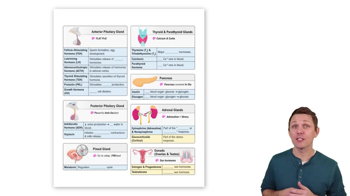
Review of Major Hormones