Ch. 6 Bones and Bone Tissue
Amerman- Human Anatomy & Physiology 3e
Amerman3rd EditionHuman Anatomy & PhysiologyISBN: 9780138247201, 9780138247928, 9780138201814Not the one you use?Change textbook
Chapter 6, Problem L2.2

How could diseases of the kidney, skin, and/or intestines cause diseases of the bone?

Verified step by step guidance
1
Understand the role of the kidney in calcium and phosphate balance: The kidneys regulate calcium and phosphate levels in the blood by filtering and reabsorbing these minerals. They also activate vitamin D into its active form, calcitriol, which is essential for calcium absorption in the intestines. Diseases of the kidney can impair these processes, leading to imbalances that affect bone health.
Examine the role of the skin in vitamin D synthesis: The skin synthesizes vitamin D when exposed to sunlight. Vitamin D is crucial for calcium absorption and bone mineralization. Skin diseases or conditions that limit sunlight exposure can reduce vitamin D production, leading to weakened bones or conditions like osteomalacia.
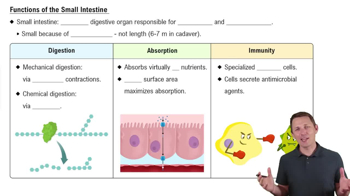
Analyze the role of the intestines in nutrient absorption: The intestines absorb calcium and phosphate from food, which are vital for bone strength and density. Diseases of the intestines, such as Crohn's disease or celiac disease, can impair nutrient absorption, leading to deficiencies that negatively impact bone health.
Connect the systemic effects of these organ dysfunctions: When the kidney, skin, or intestines fail to maintain proper calcium, phosphate, or vitamin D levels, the body may compensate by increasing parathyroid hormone (PTH) secretion. Elevated PTH can lead to bone resorption, where calcium is taken from the bones to maintain blood levels, weakening the bones over time.
Consider the long-term consequences: Chronic dysfunction in any of these organs can result in conditions like osteoporosis, osteomalacia, or rickets. Understanding the interconnected roles of these organs in maintaining bone health highlights the importance of systemic balance for preventing bone diseases.

Verified video answer for a similar problem:

This video solution was recommended by our tutors as helpful for the problem above.
Was this helpful?

Key Concepts

Here are the essential concepts you must grasp in order to answer the question correctly.

Pathophysiology of Kidney Disease

Kidney diseases can lead to imbalances in electrolytes and minerals, particularly calcium and phosphate, which are crucial for bone health. Impaired kidney function can result in decreased activation of vitamin D, leading to reduced calcium absorption in the intestines and subsequent bone demineralization.
Recommended video:
1:00
The Kidneys Example 1

Skin Disorders and Vitamin D Synthesis

The skin plays a vital role in synthesizing vitamin D when exposed to sunlight. Skin diseases that inhibit this process can lead to vitamin D deficiency, which is essential for calcium metabolism and bone health, potentially resulting in conditions like osteomalacia or osteoporosis.

Intestinal Health and Nutrient Absorption

The intestines are responsible for absorbing essential nutrients, including calcium and vitamin D. Diseases affecting the intestines, such as celiac disease or inflammatory bowel disease, can impair nutrient absorption, leading to deficiencies that negatively impact bone density and overall skeletal health.
Recommended video:
Guided course
3:44
Functions of the Small Intestine