Ch. 25 Fluid, Electrolyte, and Acid-Base Homeostasis
Amerman- Human Anatomy & Physiology 3e
Amerman3rd EditionHuman Anatomy & PhysiologyISBN: 9780138247201, 9780138247928, 9780138201814Not the one you use?Change textbook
Chapter 25, Problem 1

List the effects of each of the following hormones on electrolyte balance. Note that some hormones affect more than one electrolyte.
a. Angiotensin-II
b. Aldosterone
c. Parathyroid hormone
d. Vitamin D
e. Atrial natriuretic peptide

Verified step by step guidance
1
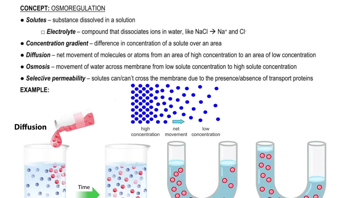
Understand that the problem is asking for the effects of specific hormones on electrolyte balance. Electrolytes include ions like sodium (Na⁺), potassium (K⁺), calcium (Ca²⁺), and others. Each hormone listed has distinct roles in regulating these ions.
For Angiotensin-II: Explain that this hormone stimulates the reabsorption of sodium (Na⁺) in the kidneys, which indirectly promotes water retention. It also stimulates the release of aldosterone and can cause vasoconstriction, which helps maintain blood pressure and electrolyte balance.
For Aldosterone: Describe how this hormone acts on the distal tubules and collecting ducts of the kidneys to increase sodium (Na⁺) reabsorption and potassium (K⁺) excretion. This helps regulate blood pressure and maintain sodium-potassium balance.
For Parathyroid Hormone (PTH): Explain that PTH increases calcium (Ca²⁺) levels in the blood by stimulating calcium reabsorption in the kidneys, promoting calcium release from bones, and enhancing calcium absorption in the intestines (indirectly via activation of Vitamin D).
For Atrial Natriuretic Peptide (ANP): Describe how ANP promotes the excretion of sodium (Na⁺) and water in the urine by inhibiting sodium reabsorption in the kidneys. This reduces blood volume and pressure. It also inhibits the release of aldosterone and renin, further affecting electrolyte balance.

Verified video answer for a similar problem:

This video solution was recommended by our tutors as helpful for the problem above.
Was this helpful?

Key Concepts

Here are the essential concepts you must grasp in order to answer the question correctly.

Electrolyte Balance

Electrolyte balance refers to the proper concentration of ions in body fluids, which is crucial for various physiological functions, including nerve conduction, muscle contraction, and hydration. Key electrolytes include sodium, potassium, calcium, and chloride. Hormones regulate these levels by influencing absorption, excretion, and distribution of electrolytes in the body.
Recommended video:
07:59
Osmosis and Osmolarity

Hormonal Regulation

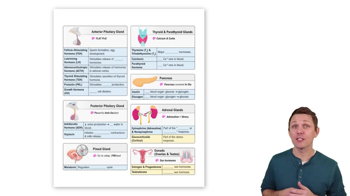
Hormonal regulation involves the control of physiological processes through hormones, which are chemical messengers secreted by glands. In the context of electrolyte balance, hormones like aldosterone and angiotensin-II play significant roles in promoting sodium retention and potassium excretion, thereby influencing blood pressure and fluid balance.
Recommended video:
Guided course
13:06
Review of Major Hormones

Renin-Angiotensin-Aldosterone System (RAAS)

The Renin-Angiotensin-Aldosterone System (RAAS) is a hormone system that regulates blood pressure and fluid balance. When blood volume is low, renin is released, leading to the production of angiotensin-II, which stimulates aldosterone secretion. Aldosterone then promotes sodium reabsorption in the kidneys, affecting electrolyte levels and blood pressure.
Recommended video:
11:30
Renin-Angiotensin-Aldosterone-System