Ch. 22 The Digestive System
Amerman- Human Anatomy & Physiology 3e
Amerman3rd EditionHuman Anatomy & PhysiologyISBN: 9780138247201, 9780138247928, 9780138201814Not the one you use?Change textbook
Chapter 22, Problem 3

Which of the following is/are absorbed in the small intestine by the Na+/glucose cotransporter?
a. Glucose
b. Galactose
c. Fructose
d. Both a and b are correct
e. All of the above are correct

Verified step by step guidance
1
Understand the role of the Na+/glucose cotransporter (SGLT1): This transporter is located in the small intestine and is responsible for the active transport of glucose and galactose into the intestinal epithelial cells. It uses the sodium (Na+) gradient to drive the uptake of these sugars.
Recall the specificity of the Na+/glucose cotransporter: The SGLT1 transporter specifically transports glucose and galactose, but not fructose. Fructose is absorbed via a different transporter called GLUT5, which facilitates its passive transport.
Analyze the options provided: Option a refers to glucose, which is absorbed by the Na+/glucose cotransporter. Option b refers to galactose, which is also absorbed by the same transporter. Option c refers to fructose, which is not absorbed by this transporter. Option d suggests both glucose and galactose are correct, and option e suggests all three are correct.
Eliminate incorrect options: Since fructose is not absorbed by the Na+/glucose cotransporter, options c and e can be ruled out. This leaves options a, b, and d for further consideration.
Select the correct answer: Based on the specificity of the Na+/glucose cotransporter, both glucose and galactose (options a and b) are absorbed by this mechanism. Therefore, the correct answer is option d, 'Both a and b are correct.'

Verified video answer for a similar problem:

This video solution was recommended by our tutors as helpful for the problem above.
Was this helpful?

Key Concepts

Here are the essential concepts you must grasp in order to answer the question correctly.

Na+/glucose cotransporter

The Na+/glucose cotransporter is a membrane protein that facilitates the active transport of glucose and galactose into intestinal cells. It utilizes the sodium gradient established by the Na+/K+ ATPase pump, allowing glucose and galactose to be absorbed against their concentration gradient. This process is crucial for efficient nutrient uptake in the small intestine.
Recommended video:
06:57
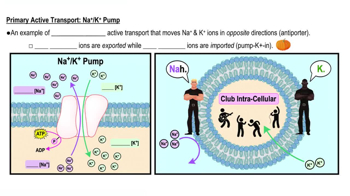
Primary Active Transport: Na+/K+ Pump

Absorption in the small intestine

The small intestine is the primary site for nutrient absorption in the digestive system. It has specialized structures, such as villi and microvilli, that increase surface area and enhance the absorption of carbohydrates, proteins, and fats. Understanding the mechanisms of absorption, including transporters like the Na+/glucose cotransporter, is essential for comprehending how nutrients enter the bloodstream.
Recommended video:
Guided course
3:44
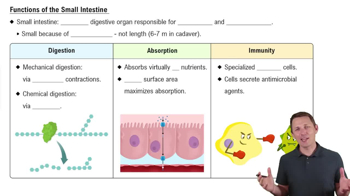
Functions of the Small Intestine

Types of carbohydrates

Carbohydrates can be classified into simple sugars (monosaccharides) and complex carbohydrates (polysaccharides). Monosaccharides like glucose, galactose, and fructose differ in their structure and absorption mechanisms. While glucose and galactose are absorbed via the Na+/glucose cotransporter, fructose is absorbed through a different transporter, highlighting the importance of understanding these distinctions in nutrient absorption.
Recommended video:
04:53
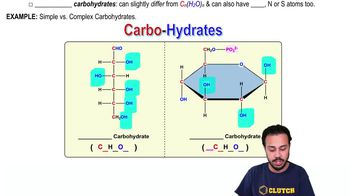
Carbohydrates
Related Practice
Textbook Question

A surgical procedure known as gastric bypass involves creating a small upper stomach pouch and attaching part of the small intestine to this pouch, “bypassing” the rest of the stomach and part of the duodenum.

How would bypassing a significant portion of the stomach affect absorption of vitamin B12? Explain.

1
views
Textbook Question

Drugs with anticholinergic side effects block ACh receptors in the peripheral nervous system, including those on digestive organs. Predict the effects such drugs would have on motility and secretion on the specific organs of the digestive system.

2
views
Textbook Question

Mr. Williams presents to your clinic with a complaint of abdominal pain in the right upper quadrant. He says that the pain worsens when he eats, particularly when he eats fatty meals. He has noticed that his stool has been an unusual clay color recently. You perform an ultrasound of his abdomen and find that gallstones are blocking his common bile duct, preventing bile from entering the duodenum.

Explain why his feces have become a clay color instead of a normal brown color.

2
views
Textbook Question

Trace the pathway that food takes through the entire alimentary canal, from the oral cavity to the anal canal.

3
views
Textbook Question

Mr. Williams presents to your clinic with a complaint of abdominal pain in the right upper quadrant. He says that the pain worsens when he eats, particularly when he eats fatty meals. He has noticed that his stool has been an unusual clay color recently. You perform an ultrasound of his abdomen and find that gallstones are blocking his common bile duct, preventing bile from entering the duodenum.

Why are his symptoms worse when he consumes a high-fat meal? Would you expect his symptoms to worsen or lessen when he consumes a meal consisting only of carbohydrates? Explain.

3
views