Ch. 18 The Cardiovascular System II: The Blood Vessels
Amerman- Human Anatomy & Physiology 3e
Amerman3rd EditionHuman Anatomy & PhysiologyISBN: 9780138247201, 9780138247928, 9780138201814Not the one you use?Change textbook
Chapter 18, Problem L3.3b

Predict the effects of each of the following on systemic arterial blood pressure:
Caffeine consumption, which increases heart rate and causes vasoconstriction

Verified step by step guidance
1
Understand the relationship between systemic arterial blood pressure, heart rate, and vasoconstriction. Blood pressure is determined by cardiac output (CO) and total peripheral resistance (TPR). CO is influenced by heart rate and stroke volume, while TPR is affected by the diameter of blood vessels.
Recognize that caffeine consumption increases heart rate. An increased heart rate leads to a higher cardiac output, which contributes to an increase in systemic arterial blood pressure. This is because cardiac output is directly proportional to blood pressure.
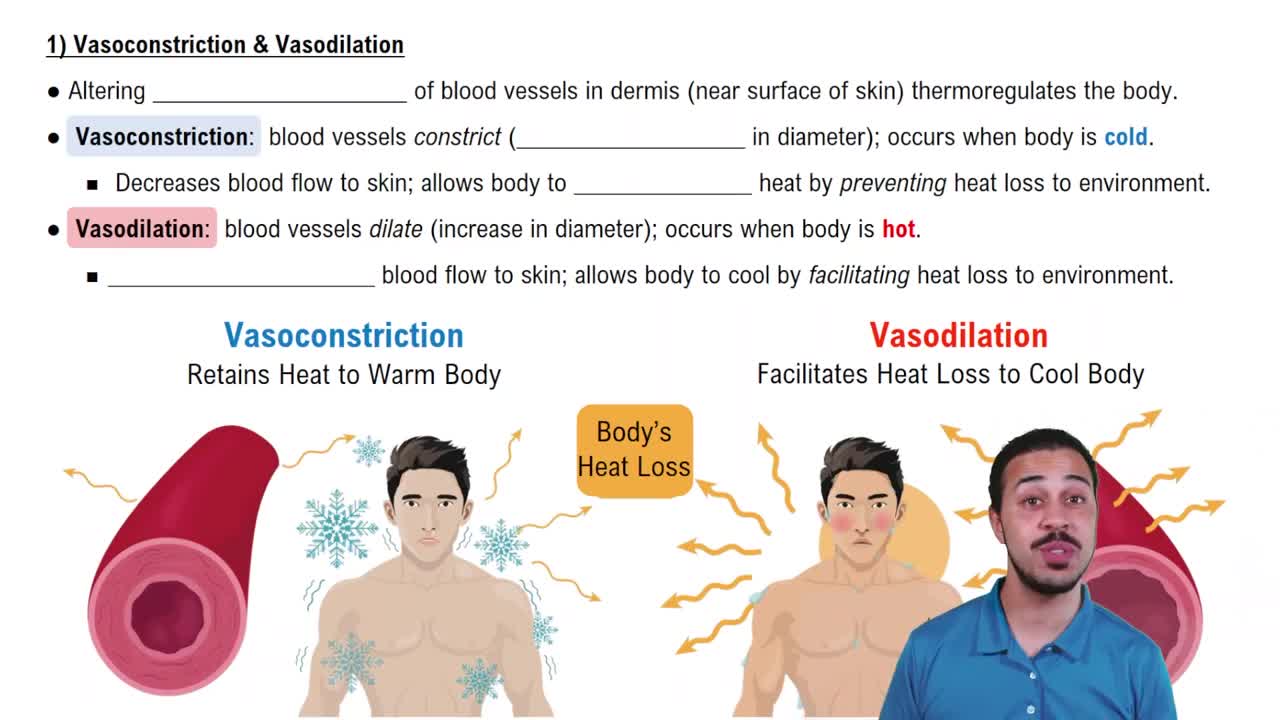
Analyze the effect of vasoconstriction. Vasoconstriction reduces the diameter of blood vessels, increasing total peripheral resistance (TPR). Since blood pressure is proportional to TPR, vasoconstriction will also elevate systemic arterial blood pressure.
Combine the effects of increased heart rate and vasoconstriction. Both factors independently contribute to raising systemic arterial blood pressure, and their combined effects amplify this increase.
Consider the physiological implications. Elevated systemic arterial blood pressure due to caffeine consumption may place additional strain on the cardiovascular system, particularly in individuals with pre-existing hypertension or cardiovascular conditions.

Verified video answer for a similar problem:

This video solution was recommended by our tutors as helpful for the problem above.
Was this helpful?

Key Concepts

Here are the essential concepts you must grasp in order to answer the question correctly.

Systemic Arterial Blood Pressure

Systemic arterial blood pressure refers to the pressure exerted by circulating blood upon the walls of blood vessels, particularly arteries. It is influenced by cardiac output, which is the volume of blood the heart pumps per minute, and systemic vascular resistance, which is the resistance to blood flow in the blood vessels. Blood pressure is typically measured in millimeters of mercury (mmHg) and is expressed as two values: systolic (pressure during heartbeats) and diastolic (pressure between heartbeats).
Recommended video:
3:23
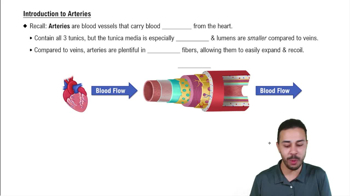
Introduction to Arteries

Caffeine and Heart Rate

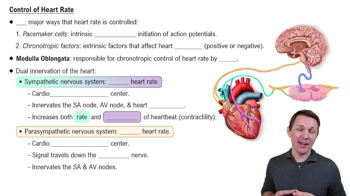
Caffeine is a central nervous system stimulant that can increase heart rate by blocking adenosine receptors, which normally promote relaxation and sleepiness. This increase in heart rate can lead to a higher cardiac output, as the heart pumps more blood per minute. Consequently, an elevated heart rate can contribute to an increase in systemic arterial blood pressure, especially in individuals who are sensitive to caffeine.
Recommended video:
Guided course
6:13
Control of Heart Rate

Vasoconstriction

Vasoconstriction is the narrowing of blood vessels, which increases vascular resistance and can lead to elevated blood pressure. This physiological response is often triggered by various factors, including the consumption of stimulants like caffeine. When blood vessels constrict, the same volume of blood encounters more resistance, resulting in higher pressure within the arterial system, thereby affecting overall blood pressure levels.
Recommended video:
05:07
Vasoconstriction & Vasodilation