Ch. 18 The Cardiovascular System II: The Blood Vessels
Amerman- Human Anatomy & Physiology 3e
Amerman3rd EditionHuman Anatomy & PhysiologyISBN: 9780138247201, 9780138247928, 9780138201814Not the one you use?Change textbook
Chapter 18, Problem 8

Explain the mechanisms that assist in the return of venous blood to the heart.

Verified step by step guidance
1
Understand that venous blood return to the heart is facilitated by mechanisms that counteract the low pressure in veins and the effects of gravity, especially in the lower extremities.
Learn about the role of skeletal muscle contractions: When skeletal muscles contract, they compress nearby veins, pushing blood toward the heart. This is known as the 'muscle pump' mechanism.
Explore the function of venous valves: Veins contain one-way valves that prevent the backflow of blood, ensuring that blood moves in the direction of the heart during muscle contractions.
Examine the role of respiratory movements: During inhalation, the diaphragm moves downward, creating a pressure gradient that decreases thoracic pressure and increases abdominal pressure. This pressure difference helps propel venous blood toward the heart.
Understand the contribution of the smooth muscle in vein walls: The smooth muscle in the tunica media of veins can contract (venoconstriction), which reduces the diameter of the vein and increases the pressure within, aiding blood flow toward the heart.

Verified video answer for a similar problem:

This video solution was recommended by our tutors as helpful for the problem above.
Was this helpful?

Key Concepts

Here are the essential concepts you must grasp in order to answer the question correctly.

Venous Return

Venous return refers to the process by which blood is transported back to the heart from the peripheral circulation. This mechanism is crucial for maintaining adequate blood flow and pressure within the cardiovascular system. Factors influencing venous return include blood volume, venous tone, and the pressure gradient between the veins and the heart.
Recommended video:
6:50
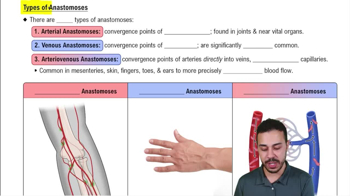
Types of Anastomoses

Muscle Pump Mechanism

The muscle pump mechanism involves the contraction of skeletal muscles, which compresses the veins and propels blood toward the heart. This is particularly important in the limbs, where muscle activity during movement helps counteract the effects of gravity. The presence of one-way valves in the veins ensures that blood flows in the correct direction, preventing backflow.
Recommended video:
Guided course
4:36
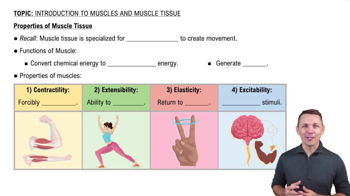
Properties of Muscle Tissue

Respiratory Pump

The respiratory pump is a mechanism that aids venous return through changes in thoracic pressure during breathing. When inhaling, the diaphragm moves downward, decreasing pressure in the thoracic cavity and allowing blood to flow more easily from the veins into the heart. This process is enhanced during deep or forceful breathing, contributing significantly to overall venous return.
Recommended video:
03:40
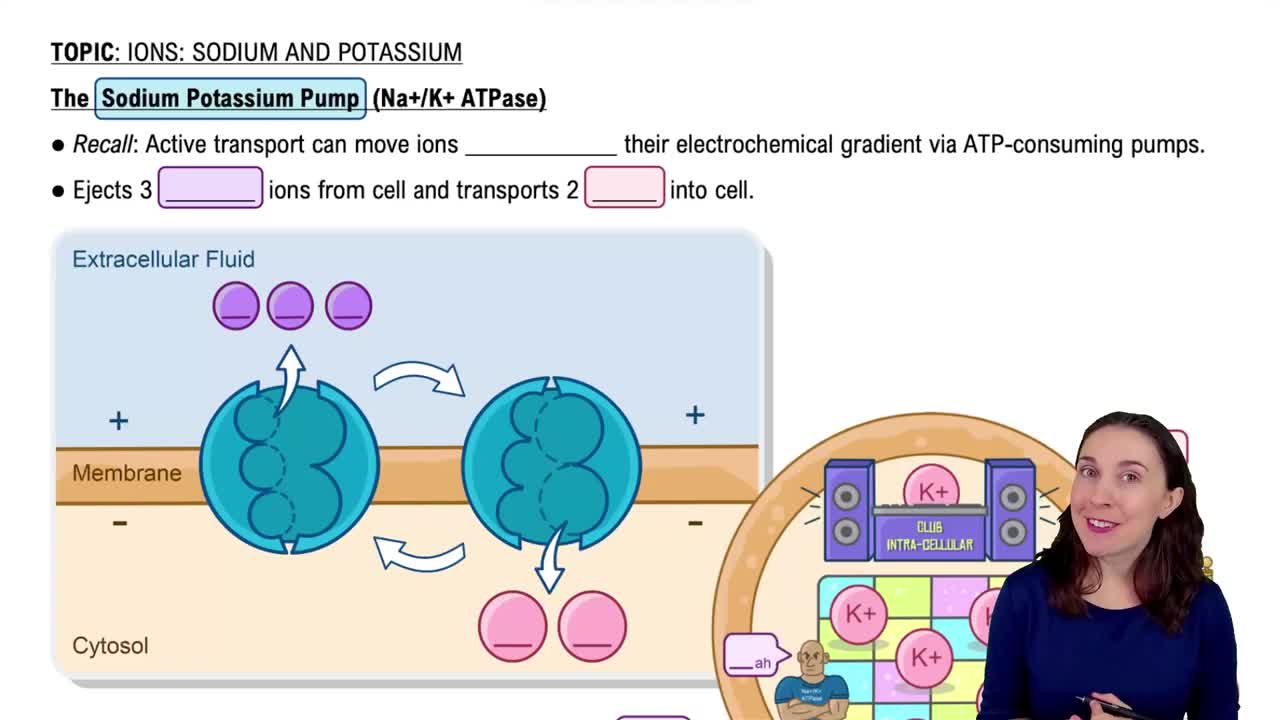
The Sodium Potassium Pump