Ch. 16 The Endocrine System
Amerman- Human Anatomy & Physiology 3e
Amerman3rd EditionHuman Anatomy & PhysiologyISBN: 9780138247201, 9780138247928, 9780138201814Not the one you use?Change textbook
Chapter 16, Problem 11

Which of the following statements correctly describes the role of parathyroid hormone?
a. Parathyroid hormone regulates the metabolic rate.
b. Parathyroid hormone increases the blood calcium ion concentration.
c. Parathyroid hormone decreases the blood sodium ion concentration.
d. Parathyroid hormone causes water retention by the kidneys.

Verified step by step guidance
1
Understand the role of parathyroid hormone (PTH): Parathyroid hormone is secreted by the parathyroid glands and plays a critical role in regulating calcium homeostasis in the body.
Review the physiological effects of PTH: Parathyroid hormone increases blood calcium levels by stimulating osteoclast activity in bones (breaking down bone tissue to release calcium), enhancing calcium reabsorption in the kidneys, and promoting activation of vitamin D to increase calcium absorption in the intestines.
Eliminate incorrect options based on PTH's function: a) PTH does not regulate metabolic rate; this is primarily controlled by thyroid hormones like thyroxine. c) PTH does not directly affect sodium ion concentration. d) PTH does not cause water retention; this is regulated by hormones like antidiuretic hormone (ADH).
Focus on the correct option: b) PTH increases blood calcium ion concentration, which aligns with its primary function in calcium homeostasis.
Conclude the reasoning: The correct description of parathyroid hormone's role is its ability to increase blood calcium ion concentration, ensuring proper functioning of muscles, nerves, and other physiological processes.

Verified video answer for a similar problem:

This video solution was recommended by our tutors as helpful for the problem above.
Was this helpful?

Key Concepts

Here are the essential concepts you must grasp in order to answer the question correctly.

Parathyroid Hormone (PTH)

Parathyroid hormone is a peptide hormone produced by the parathyroid glands that plays a crucial role in regulating calcium levels in the blood. It is released in response to low blood calcium levels and acts to increase calcium concentration by stimulating bone resorption, enhancing intestinal absorption of calcium, and promoting renal reabsorption of calcium.
Recommended video:
Guided course
13:06
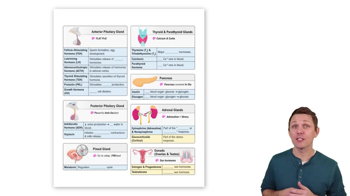
Review of Major Hormones

Calcium Homeostasis

Calcium homeostasis refers to the mechanisms that maintain stable levels of calcium in the bloodstream, which is vital for various physiological functions, including muscle contraction, nerve transmission, and blood clotting. PTH is a key regulator in this process, working alongside calcitonin and vitamin D to ensure that calcium levels remain within a narrow range.
Recommended video:
Guided course
01:59
Introduction to Homeostasis

Effects of PTH on the Kidneys

Parathyroid hormone affects the kidneys by increasing the reabsorption of calcium and promoting the excretion of phosphate. This action helps to elevate blood calcium levels while simultaneously managing phosphate levels, which is essential for maintaining overall mineral balance in the body.
Recommended video:
1:32
Effects of the Complement System