
Ch. 20 The Lymphatic System and Immunity
Amerman - Human Anatomy & Physiology 2nd Edition
Amerman2nd EditionHuman Anatomy & PhysiologyISBN: 9780136873822Not the one you use?Change textbook
Chapter 20, Problem L2.1a

Eileen presents with flu-like symptoms, including fever, chills, and body aches.
What part of the immune response is likely producing these symptoms?

Verified step by step guidance
1
Understand that Eileen's symptoms (fever, chills, and body aches) are part of the body's innate immune response, which is the first line of defense against pathogens.
Recognize that fever is caused by pyrogens, which are substances released by immune cells (like macrophages) or pathogens that signal the hypothalamus to increase the body's temperature. This helps inhibit pathogen growth and enhances immune cell activity.
Identify that chills are often associated with the body's effort to raise its temperature during a fever. Muscle contractions (shivering) generate heat to support the elevated temperature set by the hypothalamus.
Explain that body aches are caused by the release of inflammatory mediators, such as cytokines (e.g., interleukins and tumor necrosis factor), which promote inflammation and recruit immune cells to the site of infection. These mediators can also affect nearby tissues, leading to discomfort and pain.
Conclude that these symptoms are part of the systemic inflammatory response, which is a coordinated effort by the innate immune system to fight off the infection and prevent its spread.

Verified video answer for a similar problem:

This video solution was recommended by our tutors as helpful for the problem above.
Was this helpful?

Key Concepts

Here are the essential concepts you must grasp in order to answer the question correctly.

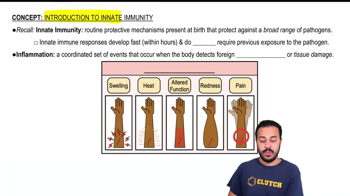
Innate Immune Response

The innate immune response is the body's first line of defense against pathogens. It includes physical barriers like skin and mucous membranes, as well as immune cells that respond quickly to infections. Symptoms such as fever and body aches are often a result of this response, as the body releases cytokines to signal inflammation and recruit immune cells to the site of infection.
Recommended video:
2:30
Innate Immunity

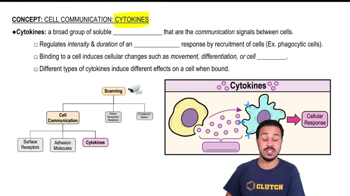
Cytokines

Cytokines are small proteins released by immune cells that play a crucial role in cell signaling during the immune response. They help regulate the intensity and duration of the immune response, and can induce fever, inflammation, and other systemic symptoms. In Eileen's case, cytokines are likely responsible for her flu-like symptoms as they mediate the body's reaction to infection.
Recommended video:
2:59
Cytokines

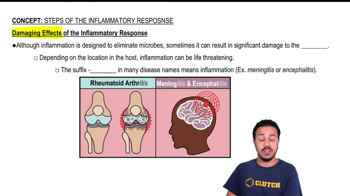
Systemic Inflammatory Response

The systemic inflammatory response is a widespread reaction of the body to infection or injury, characterized by symptoms such as fever, chills, and malaise. This response is part of the innate immune system and aims to eliminate pathogens and promote healing. Eileen's flu-like symptoms indicate that her body is undergoing this response to combat the underlying infection.
Recommended video:
2:10
Damaging Effects of the Inflammatory Response