Ch. 2 The Chemistry of Life
Amerman - Human Anatomy & Physiology 2nd Edition
Amerman2nd EditionHuman Anatomy & PhysiologyISBN: 9780136873822Not the one you use?Change textbook
Chapter 2, Problem L3.1

The polysaccharide cellulose is not digestible by humans, as we lack the enzyme cellulase, which is required to break it down. Certain dietary supplements contain the enzyme cellulase and claim that being able to break down cellulose will help a person lose weight. But what do you think would happen if we could digest the cellulose we ate?

Verified step by step guidance
1
Understand the role of cellulose in the human diet: Cellulose is a polysaccharide made of glucose molecules linked by β-1,4-glycosidic bonds. Humans lack the enzyme cellulase, which is required to break these bonds, so cellulose passes through the digestive system as fiber, aiding in digestion and promoting gut health.
Consider the function of cellulase: If humans could digest cellulose using cellulase, the β-1,4-glycosidic bonds in cellulose would be broken down into glucose molecules, which could then be absorbed into the bloodstream and used as an energy source.
Analyze the potential impact on calorie intake: Since glucose is a source of calories, digesting cellulose would increase the caloric content of foods that contain cellulose. This could lead to an increase in energy intake rather than weight loss, unless the individual adjusts their overall diet to account for the additional calories.
Evaluate the claim of weight loss: The claim that digesting cellulose would help with weight loss is likely misleading. Instead of acting as a non-digestible fiber that aids in satiety and bowel health, cellulose would contribute to caloric intake, potentially leading to weight gain if not balanced with energy expenditure.
Reflect on the importance of fiber: Fiber, including cellulose, plays a critical role in maintaining digestive health, regulating blood sugar levels, and promoting a feeling of fullness. Digesting cellulose might reduce these benefits, which could negatively impact overall health.

Verified video answer for a similar problem:

This video solution was recommended by our tutors as helpful for the problem above.
Was this helpful?

Key Concepts

Here are the essential concepts you must grasp in order to answer the question correctly.

Cellulose

Cellulose is a complex carbohydrate or polysaccharide that forms the structural component of the cell walls in green plants, algae, and some fungi. It is composed of long chains of glucose molecules linked by β-1,4-glycosidic bonds, making it resistant to digestion by humans due to the absence of the enzyme cellulase. While cellulose is not digestible, it serves as dietary fiber, promoting digestive health.
Recommended video:
05:08
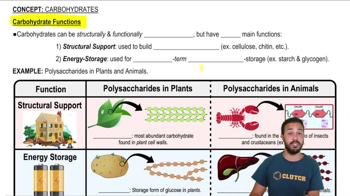
Carbohydrate Functions

Enzymatic Digestion

Enzymatic digestion refers to the biochemical process where enzymes break down complex molecules into simpler ones, facilitating nutrient absorption. In the case of cellulose, the enzyme cellulase is necessary to hydrolyze the β-glycosidic bonds, allowing the body to utilize the glucose units. Without this enzyme, cellulose passes through the digestive system largely intact, contributing to fiber intake rather than energy.
Recommended video:
Guided course
5:08
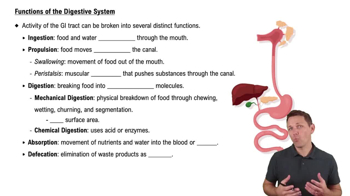
Functions of the Digestive System

Impact on Weight Loss

The claim that digesting cellulose could aid in weight loss hinges on the idea that breaking down this polysaccharide would provide additional calories. However, if humans could digest cellulose, it might lead to increased caloric intake without a corresponding increase in satiety, potentially resulting in weight gain rather than loss. Additionally, the role of fiber in promoting fullness and regulating appetite would be compromised.
Recommended video:
02:18
Pleiotropy