Back

What is Anatomy & Physiology? quiz #1

2 students found this helpful
Control buttons has been changed to "navigation" mode.
1/38
  • What is the main goal of Recommended Dietary Allowances (RDAs)?

    The main goal of RDAs is to provide guidelines for the daily intake of nutrients to meet the needs of most healthy individuals.
  • Who is considered to be the father of medicine?

    Hippocrates is considered to be the father of medicine.
  • What is the normal range for human body temperature?

    The normal range for human body temperature is approximately 36.1°C to 37.2°C (97°F to 99°F).
  • What is an important function of the skeletal system?

    Blood cell production
  • What is an example of a process that is not cognitive?

    Digestion
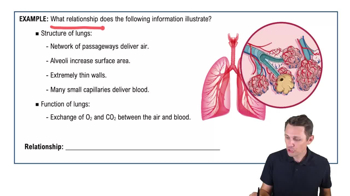
  • In humans, what is the primary function of the respiratory system?

    The primary function of the respiratory system is to facilitate the exchange of oxygen and carbon dioxide between the body and the environment.
  • In a normal population, what is the expected distribution of blood types?

    In a normal population, blood types are distributed as O, A, B, and AB, with O being the most common.
  • In humans, what is the role of the circulatory system?

    The circulatory system is responsible for transporting blood, nutrients, oxygen, carbon dioxide, and hormones throughout the body.
  • What describes a nuclear family?

    A family consisting of parents and their children
  • In feedback mechanisms, what is the role of a receptor?

    In feedback mechanisms, a receptor detects changes in the environment and sends information to a control center.
  • In the male reproductive system, what is the function of the testes?

    The testes produce sperm and hormones, such as testosterone.
  • Which is the best description of obesity?

    Obesity is a condition characterized by excessive body fat that increases the risk of health problems.
  • What structures are involved in the process of digestion?

    Structures involved in digestion include the mouth, esophagus, stomach, intestines, liver, pancreas, and gallbladder.
  • Which characteristic is not considered part of culture: language, traditions, genetic traits, or beliefs?

    C) Genetic traits
  • What is an example of a recreational activity?

    A) Reading
  • During proofreading, what is the primary task?

    During proofreading, the primary task is to identify and correct errors in text, such as spelling, grammar, and punctuation mistakes.
  • Who is considered the “father of Western medicine”?

    Hippocrates is considered the “father of Western medicine.”
  • Within the nucleus of a cell, what is the primary function of DNA?

    Within the nucleus, DNA stores genetic information and instructions for protein synthesis.
  • In humans, what is the primary function of the nervous system?

    The primary function of the nervous system is to control and coordinate body activities by transmitting signals between different parts of the body.
  • A patient with dysphasia has difficulty with what?

    A patient with dysphasia has difficulty with speech and language comprehension.
  • What is cephalization?

    Cephalization is the evolutionary trend of concentrating sensory and neural organs at the anterior end of the body, forming a head region.
  • In the 1940s, what significant medical advancement occurred?

    In the 1940s, the significant medical advancement was the mass production and use of antibiotics, such as penicillin.
  • What is the primary purpose of hospice care?

    B) Provide palliative care
  • What is an example of a personal strength?

    B) Resilience
  • Which statement best describes the concept of lifelong learning?

    Lifelong learning is the continuous pursuit of knowledge and skills throughout an individual's life for personal or professional development.
  • Who is considered the father of medicine?

    Hippocrates is considered the father of medicine.
  • In the human body, what is the primary function of the skeletal system?

    The primary function of the skeletal system is to provide structure, support, and protection to the body, as well as facilitate movement.
  • In humans, what is the role of the digestive system?

    The digestive system breaks down food into nutrients that can be absorbed and used by the body for energy, growth, and repair.
  • In humans, what is the primary function of the endocrine system?

    The primary function of the endocrine system is to produce and secrete hormones that regulate various bodily functions, such as metabolism, growth, and reproduction.
  • What type of memory refers to the conscious memory of facts and experiences?

    Explicit memory, also known as declarative memory, refers to the conscious memory of facts and experiences.
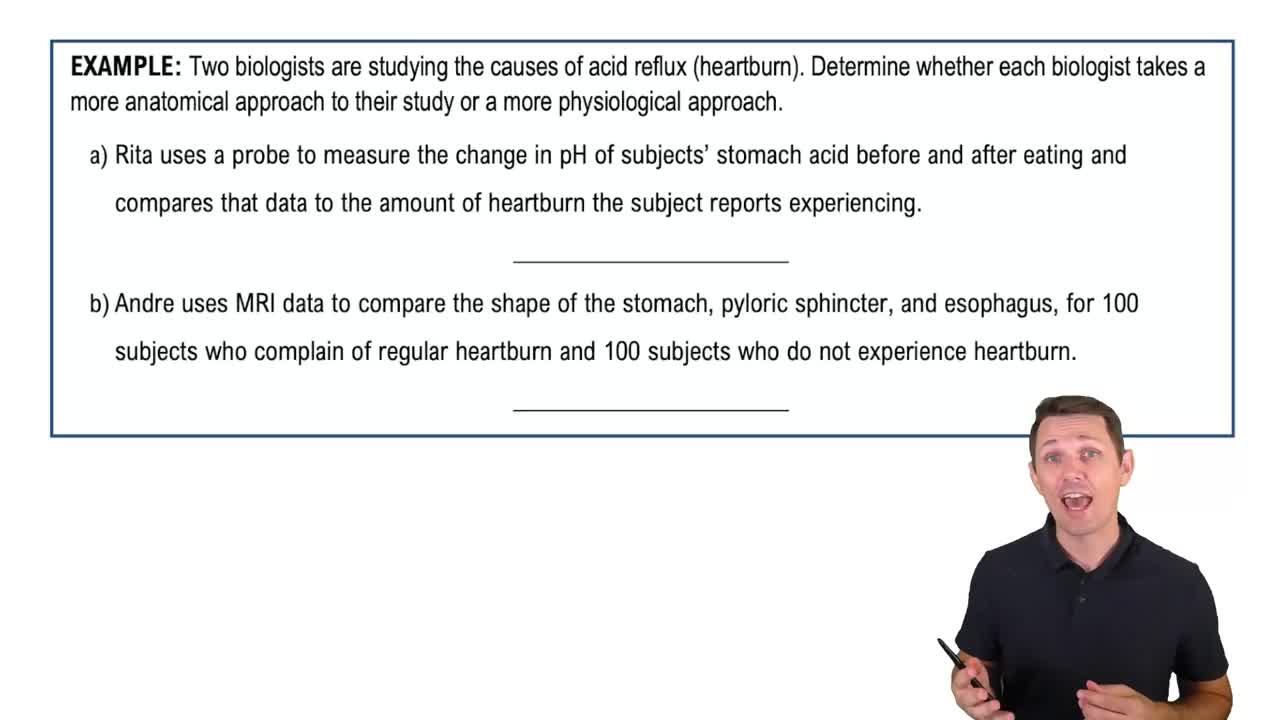
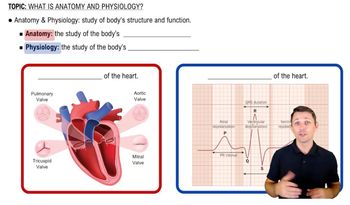
  • What is true about physiology?

    Physiology is the study of how the body's structures function and work together to sustain life.
  • Which nutrient is stored in the body as fat?

    D) Fats
  • What is the relationship between anatomy and physiology?

    Anatomy and physiology are interrelated fields; anatomy studies the structure of the body, while physiology studies the function of those structures.
  • What is a false statement about point-of-care testing?

    Point-of-care testing is not typically performed in centralized laboratories; it is conducted at or near the site of patient care.
  • Which of these is a unique characteristic of mammals? A) Laying eggs B) Having feathers C) Producing milk D) Having scales

    C) Producing milk
  • To function on their own, what do cells require?

    To function on their own, cells require nutrients, oxygen, and the ability to remove waste products.
  • According to the DRIs, what is the purpose of the Estimated Average Requirement (EAR)?

    The Estimated Average Requirement (EAR) is used to assess the nutrient intake of populations and to plan diets for groups.
  • What is an age structure diagram?

    An age structure diagram is a graphical representation of the distribution of various age groups in a population, typically used to predict population growth trends.