Ch. 14 The Digestive System and Body Metabolism
Marieb - Essentials of Human Anatomy & Physiology 13th Edition
Marieb13th EditionEssentials of Human Anatomy & PhysiologyISBN: 9780135624340Not the one you use?Change textbook
Chapter 14, Problem 24

An anorexic girl shows a high level of acetone in her blood. What is this condition called, and what has caused it?

Verified step by step guidance
1
Step 1: Recognize that the presence of high levels of acetone in the blood is indicative of a condition called ketosis. Acetone is a type of ketone body, which is produced during the breakdown of fatty acids.
Step 2: Understand the physiological cause of ketosis. In anorexia, the body lacks sufficient glucose due to inadequate food intake. Glucose is the primary energy source for cells, and when it is unavailable, the body shifts to using fat stores for energy.
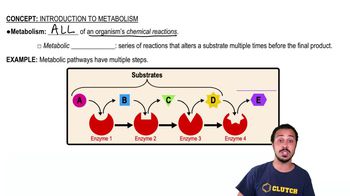
Step 3: Explain the biochemical process. Fatty acids are broken down in the liver through beta-oxidation, producing acetyl-CoA. When glucose is scarce, acetyl-CoA is converted into ketone bodies, including acetone, to provide an alternative energy source for tissues like the brain and muscles.
Step 4: Discuss the implications of elevated ketone levels. High levels of ketones in the blood can lead to a condition called ketoacidosis, which is characterized by a drop in blood pH and can be dangerous if not managed properly.
Step 5: Highlight the importance of addressing the underlying cause. In this case, anorexia must be treated to restore normal eating habits and prevent further metabolic imbalances, including ketosis and its potential complications.

Verified video answer for a similar problem:

This video solution was recommended by our tutors as helpful for the problem above.
Video duration:
2m
Was this helpful?

Key Concepts

Here are the essential concepts you must grasp in order to answer the question correctly.

Ketoacidosis

Ketoacidosis is a metabolic state characterized by elevated levels of ketone bodies, such as acetone, in the blood. This condition often arises when the body breaks down fat for energy due to insufficient carbohydrate intake, leading to an accumulation of acids in the bloodstream. It is commonly associated with uncontrolled diabetes but can also occur in cases of prolonged fasting or malnutrition, such as in anorexia.

Anorexia Nervosa

Anorexia nervosa is a serious eating disorder marked by an intense fear of gaining weight and a distorted body image, leading to self-imposed starvation and excessive weight loss. Individuals with this condition often engage in restrictive eating behaviors, which can result in severe nutritional deficiencies and metabolic disturbances, including the production of ketones as the body seeks alternative energy sources.

Metabolic Adaptation

Metabolic adaptation refers to the physiological changes that occur in response to a significant reduction in caloric intake or energy expenditure. In the context of anorexia, the body adapts by shifting from glucose metabolism to fat metabolism, resulting in increased ketone production. This adaptation can lead to various health complications, including electrolyte imbalances and organ dysfunction, if not addressed.
Recommended video:
02:17
Introduction to Metabolism